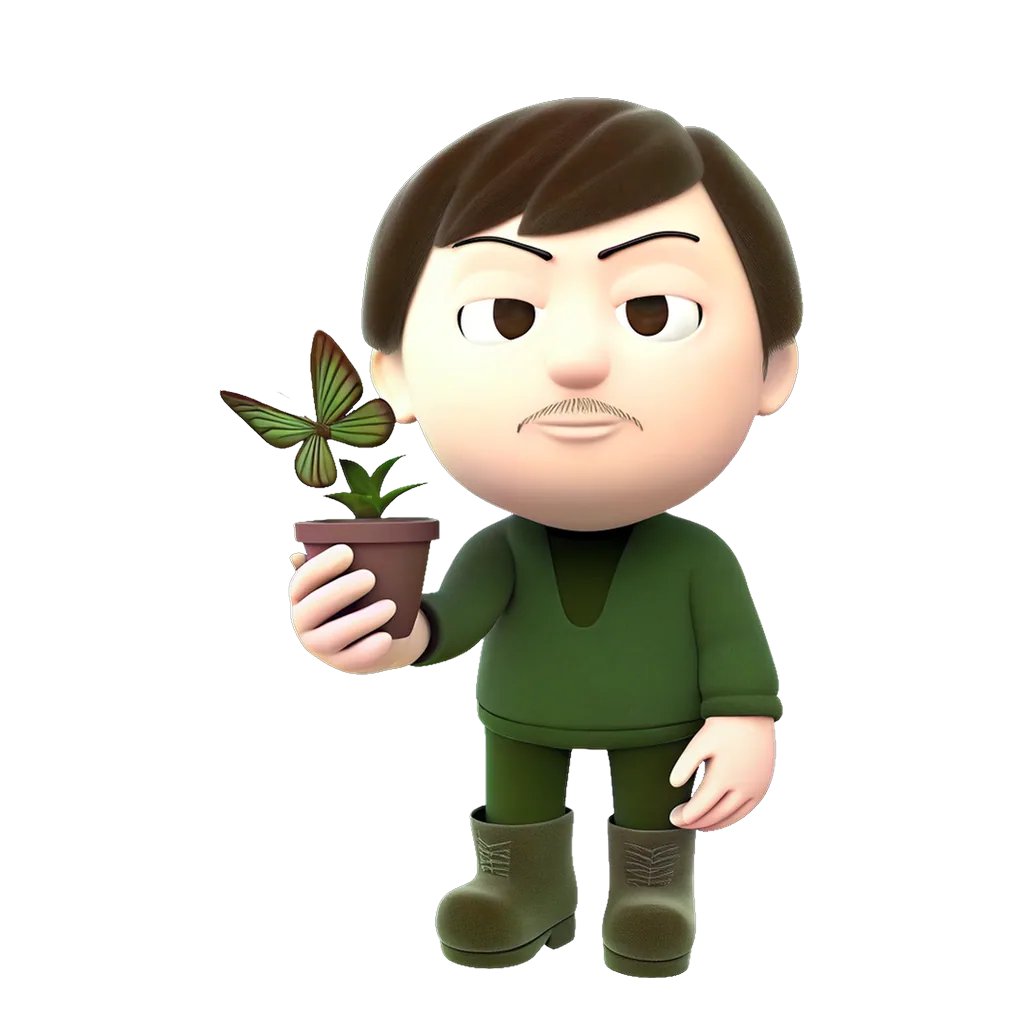
Naturalistic
Attunement to the living world — observing, categorising, caring for nature.
You are tuned to the living world — you notice the species others walk past, sense the turn of the seasons in small signs, and feel most yourself somewhere green and growing. Patterns in nature speak to you: how things are alike and different, how they’re classified, how a living system fits together and changes. To have this gift is to be a natural observer and carer of the more-than-human world, at ease outdoors, and quietly delighted by everything that grows, flies, swims or weathers.
Strengths
- Keen eye for nature
- Notices fine detail
- Organises and classifies
Pitfalls
- Restless indoors
- Distracted outdoors
- Over-categorises
In depth
What it looks like
In everyday life you are the one who names the bird, spots the change in the weather, and notices the new growth no one else clocked. You sort and classify instinctively — plants, animals, rocks, patterns — and you remember the natural details of a place long after. You feel calmer and more alive outdoors, you care about the environment in a way that’s lived rather than merely argued, and you’re happiest with your hands in the soil or your eyes on the horizon. The living world isn’t background to you; it’s where you pay closest attention.
How you learn best
You learn through observation, classification and contact with the real, living thing — get you outside, give you specimens to examine, and let you sort and categorise. Fieldwork, hands-on study of nature, and organising knowledge into systems and taxonomies all play to your strength. You remember through patterns of likeness and difference, and abstract ideas land better when tied to concrete examples from the natural world. Take the learning outdoors, collect and compare, and connect concepts to living systems, and it will root deeply and stay.
Where you shine
You flourish wherever the living world is the work — biology, ecology, conservation, agriculture, veterinary science, geology, environmental work and the outdoor trades. Hobbies like gardening, birdwatching, hiking, foraging, fishing and keeping animals are pure joy. Your eye for pattern, your patience as an observer and your instinct for how systems fit together also serve well beyond nature — anywhere careful noticing and classification matter. On a team you bring a long view and a feel for consequences, asking how a decision sits within the larger system it touches.
Your blind spots
A pull towards the natural and the concrete can leave you restless in abstract, indoor, screen-bound work that offers nothing to observe or tend. You may prefer the company of plants, animals or open country to the messier demands of people and politics, and your patient, long-view pace can frustrate those who want a fast answer now. Deep care for the environment can shade into despair when the wider world won’t move. And not every problem is a living system you can read by quiet, patient watching.
How to grow it
Deepen the gift through serious study of the natural world — proper field guides, citizen science, growing or keeping things, and learning the science beneath what you observe. To strengthen weaker intelligences, carry your observer’s patience into the human and the abstract: read people and systems with the same care you give a hedgerow, and practise the indoor, conceptual work you’d rather skip. Translate your love of nature into action and advocacy. Pair your gift for noticing with the discipline of explaining what you see to those who can’t yet see it.
Nurturing it in others
A nature-smart child collects leaves, bugs and stones, asks endless questions about animals, and comes alive the moment they’re let outside. Feed it with time in wild and green places, pets and plants to care for, magnifying glasses and field guides, and grown-ups who share the wonder rather than hurrying them indoors. Let them sort, collect and observe to their heart’s content. In a colleague, value their patient eye and systems-thinking, give them work connected to the real and the living where you can, and trust that their slower, watchful pace often catches what haste misses.
Roles that fit
You know you’re one when…
- You can name the bird, the tree or the cloud when nobody else can.
- You notice the small seasonal changes everyone else walks straight past.
- You feel calmer and more yourself the moment you’re outdoors.
- You sort and classify the living world almost without thinking.
- You care about the environment in a way that’s lived, not just argued.