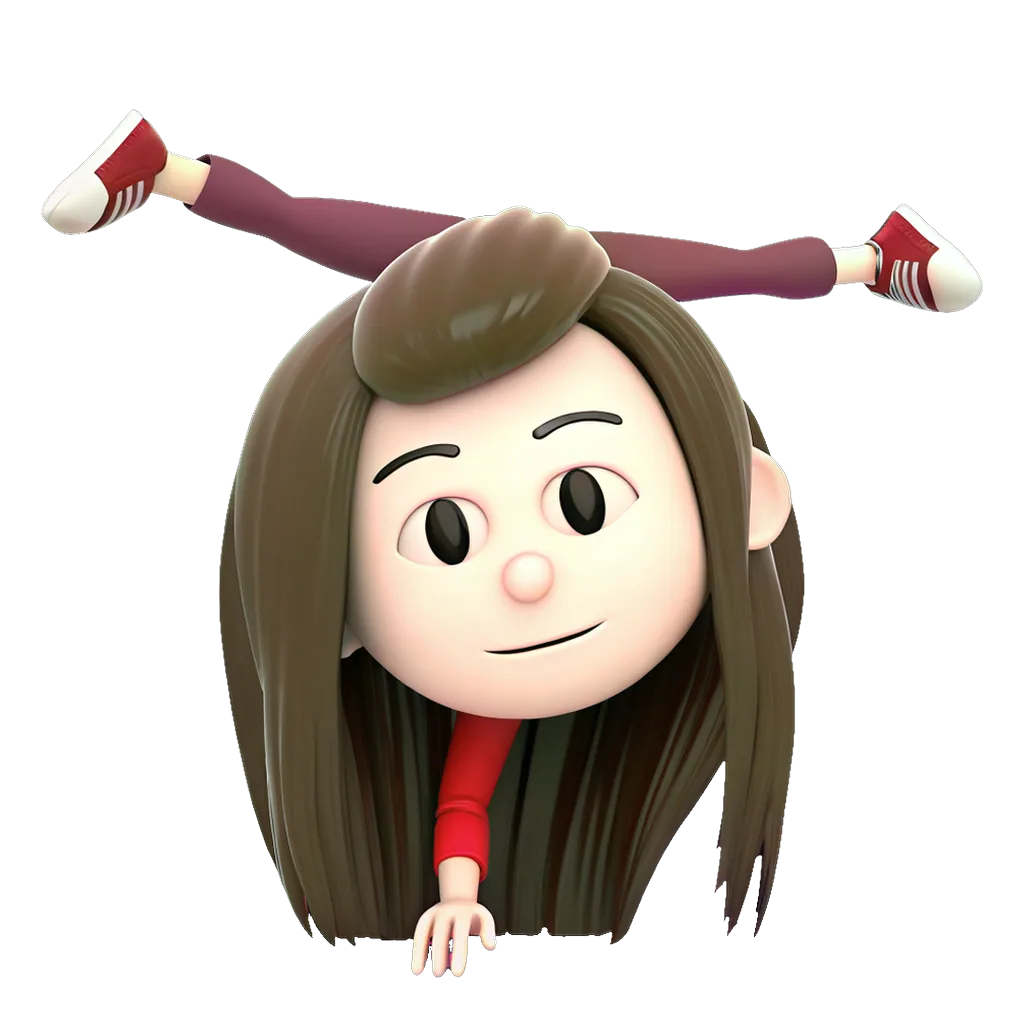
Bodily-Kinesthetic
Skill through movement — coordination, dexterity, and learning by doing.
Your intelligence lives in your hands and your whole moving body — you learn a thing by doing it, and your fingers often understand before your mind catches up. Movement is how you think; a problem loosens when you pace, build, rehearse or simply pick the parts up and try. To have this gift is to trust the wisdom of motion: the timing, balance and feel that let you do skilfully what others can only describe.
Strengths
- Skilled and coordinated
- Learns fast by doing
- Great hands-on instincts
Pitfalls
- Restless sitting still
- Impatient with theory
- Acts before thinking
In depth
What it looks like
In everyday life you are the one who fixes the thing, demonstrates the move, and figures out the new gadget by handling it rather than reading the manual. You have good timing and coordination, a steady physical confidence, and a memory that lives in your muscles — once your body learns a skill it rarely forgets. You fidget when forced to sit still and think clearly when allowed to move. Crafting, building, playing, performing: anything hands-on draws you in, and you grasp it faster by trying than by being told.
How you learn best
You learn by doing — give you the tool, the instrument or the prototype and let you have a go. Demonstrations, hands-on practice, role-play and building a working model beat any lecture; repetition until it becomes second nature is your path to mastery. You think better walking than sitting, so movement isn’t a distraction but part of the process. Turn abstract ideas into something you can physically manipulate, rehearse a skill rather than memorising it, and your body will hold the knowledge long after notes are forgotten.
Where you shine
You flourish wherever skill is expressed through the body — sport, dance, performance, surgery, craft, construction, physiotherapy and the trades. Hobbies like climbing, woodwork, cooking, making and any team game feel like coming home. On a team you are the one who builds the prototype, runs the practical, and turns a plan on paper into a real, working thing. When others are still debating, you are already making it — and learning more from one honest attempt than from an hour of theory.
Your blind spots
A doer’s impatience can have you leaping into action before the thinking is done — trying first and reading the instructions only after it breaks. Long stretches of abstract, motionless work drain you, and you may undervalue ideas that can’t yet be touched or tested. Sitting still in meetings is genuine effort, and you can mistake restlessness for boredom in yourself or others. Beware, too, of skipping the planning that would have saved you three rough attempts at the real thing.
How to grow it
Deepen the gift by learning a demanding new physical skill — an instrument, a sport, a craft — and paying close attention to the fine feedback your body gives. To strengthen weaker intelligences, deliberately plan before you build and put your hands’ knowledge into words others can follow. Pause to reflect rather than rushing to the next attempt; sketch or write the steps before diving in. Pair your instinct to act with a habit of asking, just once, what the smart first move actually is.
Nurturing it in others
A body-smart child can’t keep still, learns by touching everything, and excels the moment a lesson becomes hands-on. Feed it with sport, dance, building and making, and let them move while they learn rather than punishing the wriggle. Give them real tools and real tasks, and praise the growing skill, not just the sitting still. In a colleague, hand them the build, the demo, the prototype — and design meetings that let them stand, walk and do, because that is when their best thinking arrives.
Roles that fit
You know you’re one when…
- You learn a new tool by handling it, never by reading the manual.
- You think more clearly the moment you’re allowed to get up and move.
- You can copy a physical move after watching it just once or twice.
- You fix, build or take apart things almost as a reflex.
- You feel restless and foggy after too long sitting perfectly still.