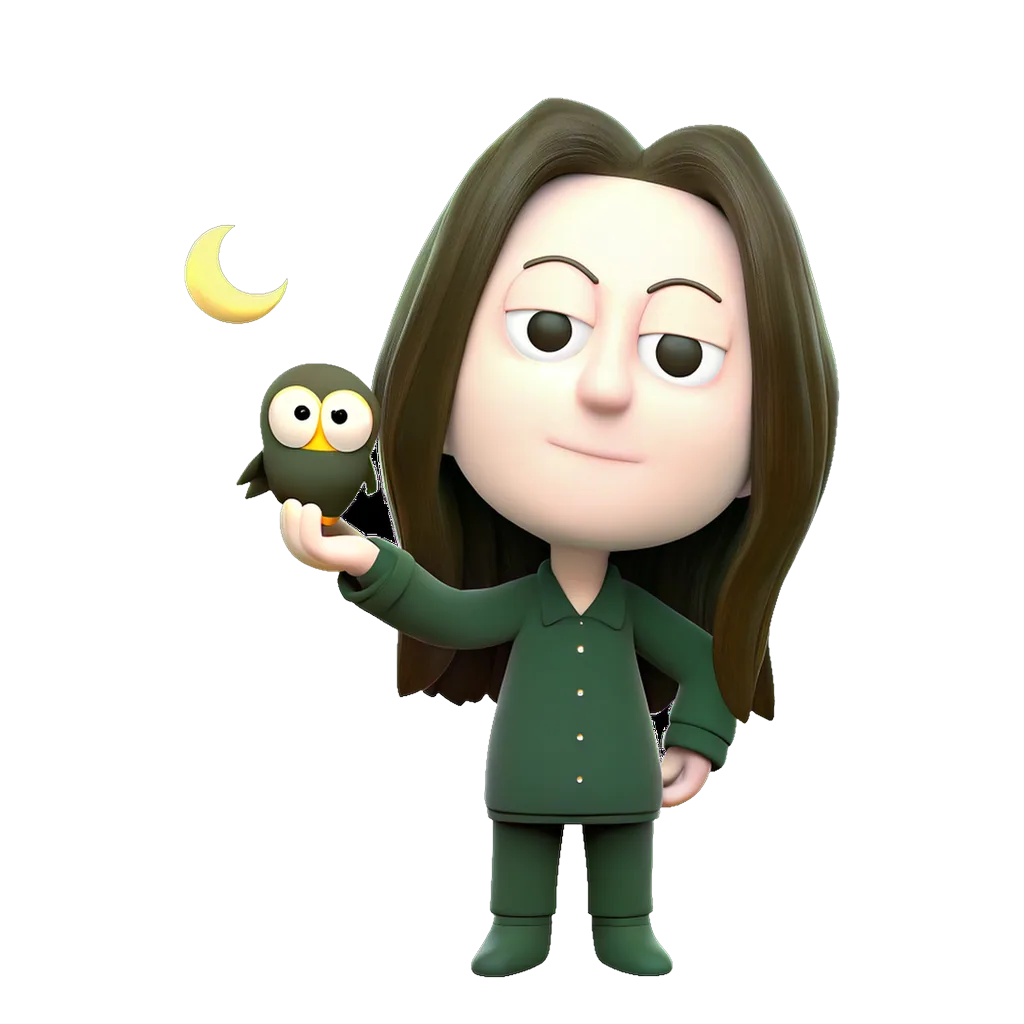
Definite Evening
You're a true night owl — you come alive late and dread early mornings.
You are a true night owl — mornings are a genuine ordeal, but you come alive as the world winds down, with your sharpest, most inspired hours arriving late. The quiet of night suits you; that is when ideas flow and focus deepens. The hard part is living in a society built around early starts, which can leave you perpetually fighting your own wiring.
Strengths
- Peaks late
- Creative at night
- Alert when others tire
Pitfalls
- Early schedules fight biology
- Sleep-debt risk
In depth
Your natural rhythm
Left entirely to yourself, you would wake closer to ten and feel half-asleep and grumpy for a good while after that. Your energy builds slowly through the day, you only really feel like yourself by late afternoon, and you keep climbing into the night. Many of your best, most lucid hours land between nine in the evening and the small hours, and bedtime before midnight feels unnatural. Forced early mornings hit you hard and linger as a fog that takes hours to lift.
When you shine
Your golden hours are late evening and night, when the world goes quiet and distractions fall away. That is the time for your deepest focus, your most creative work, your problem-solving and your big thinking — guard it as your treasure. If you can, schedule demanding tasks and important conversations for the afternoon onward and let the night carry your most ambitious projects. Mornings should hold nothing that matters, because nothing you do then will be your best.
The daily struggle
The modern nine-to-five is, frankly, at war with you. You are expected to be brilliant at an hour when your body is still asleep, then sent home just as your real peak begins. Chronic early alarms rob you of sleep and leave you running a permanent deficit — the classic social jet lag — and society loves to read your late nights and slow mornings as laziness rather than biology. The constant push against your clock is genuinely tiring, and it is not your fault.
Work & life fit
You thrive in roles that respect a late or fluid schedule — creative work, software, writing, night shifts, hospitality, or any job judged on output rather than clock-in time. Remote and flexible working can be transformative, letting you align your hours with your peak instead of fighting it. Build your life so mornings are gentle and undemanding and your evenings are protected for real work and rest. The moment you stop forcing an early-bird routine, you tend to become far more productive and far happier.
Working with your clock
Stop trying to become a lark — it rarely sticks and mostly costs you sleep. Instead, fight for the latest start you can get, and arrange the unavoidable mornings to be soft and low-stakes. If you must shift earlier, do it gently with bright light on waking, dimmer screens and warmer light late, and no caffeine into the evening. Above all, defend your sleep — going to bed and rising at consistent times, even if late, beats a ragged cycle. Treat your night hours as a gift, and use them for what matters most.
You know you’re one when…
- You are barely functional for the first couple of hours after a forced early start.
- You only feel truly like yourself from late afternoon into the night.
- You do your best, most creative work after everyone else has gone to bed.
- You find going to sleep before midnight almost impossible.
- You are tired of being called lazy for a rhythm you did not choose.