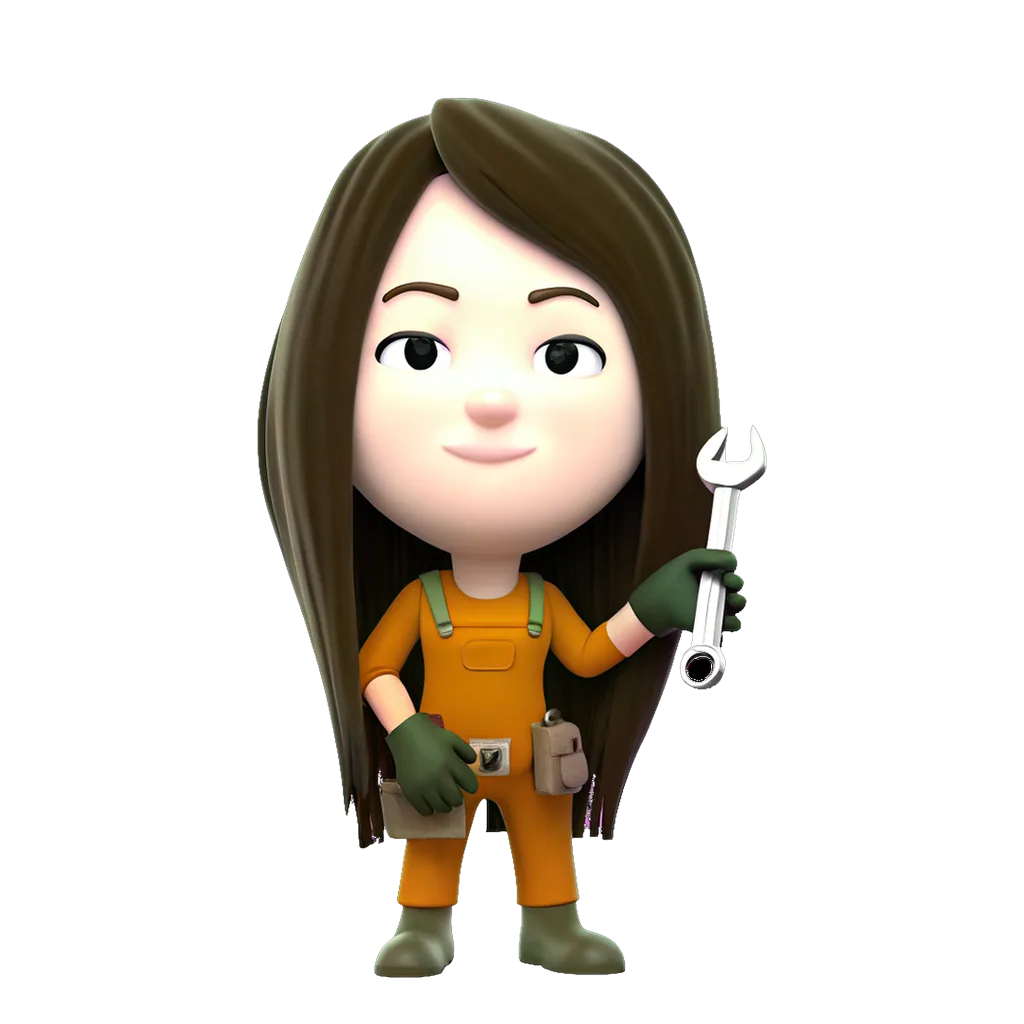
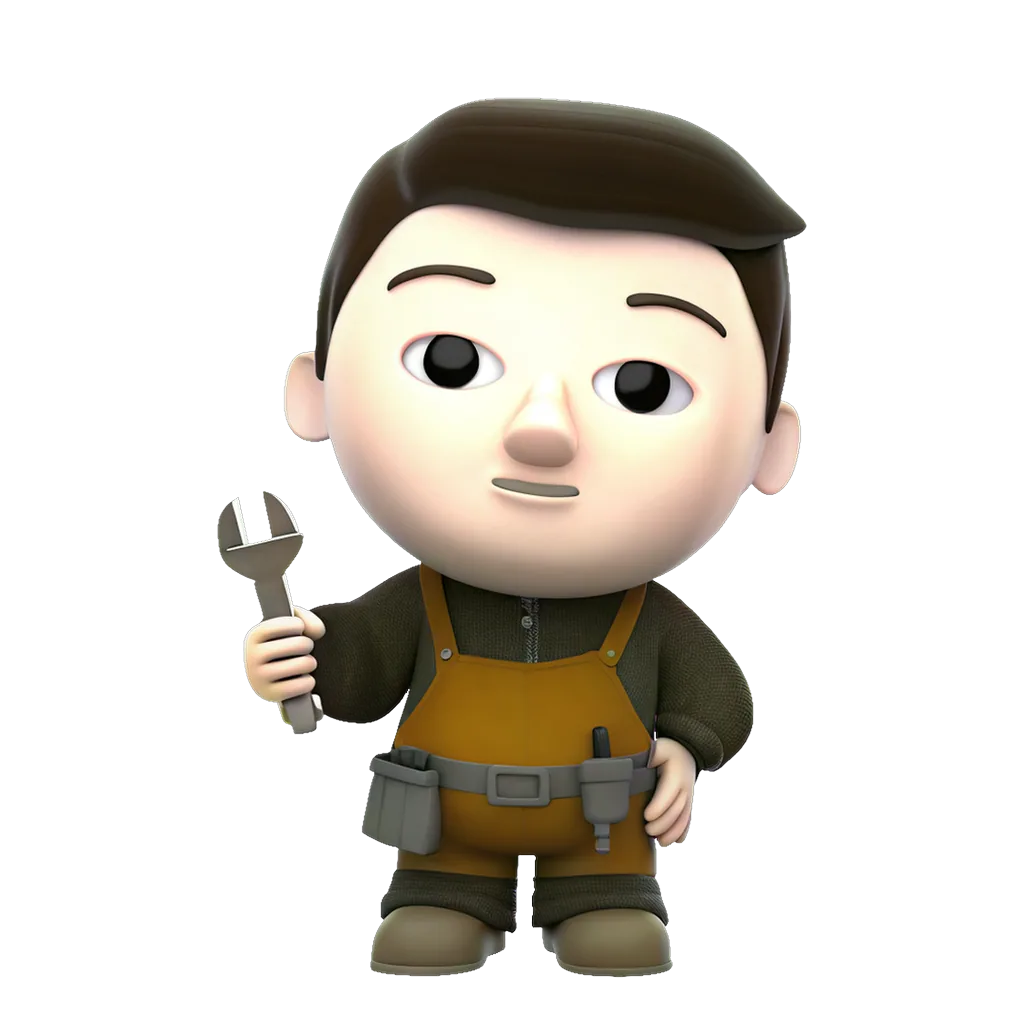
Realistic
Practical, hands-on, and happiest working with tools, machines, or the outdoors.
You’d rather grip a wrench than a whiteboard marker. The world makes sense to you when it’s physical — wood, wire, soil, steel, an engine that turns over because you made it right. You like problems you can see, touch, and finish, and the quiet satisfaction of a job that actually holds together at the end of the day.
Strengths
- Practical problem-solving
- Comfortable with tools and machines
- Gets tangible results
Pitfalls
- Impatient with theory and talk
- May avoid paperwork
- Can seem blunt
In depth
What drives you
You’re wired for the tangible. Theory bores you fast, but show you a broken thing and you light up — because fixing it is real, measurable, and yours. You trust what you can test with your own hands over what someone claims in a meeting, and you’d take a concrete result over a clever idea any day. Tools, machines, materials and the outdoors are your natural habitat, and you measure a day by what it left standing.
Where you shine
You thrive anywhere the work is physical and the outcome is visible — workshops, building sites, server rooms, farms, garages, theatres of operation rather than offices. Skilled trades suit you (electrician, carpenter, mechanic), as do engineering, construction, the armed forces, agriculture, piloting, and roles keeping complex kit alive. You do well where competence is judged by what works, not who talks loudest, and where you can roam between sites rather than be chained to a desk.
Your work style
You’re methodical and practical: you size up the real constraints, gather the right tools, and work the problem step by step until it’s done. You learn by doing, not by reading the manual cover to cover, and you’d rather prototype something rough than debate it for a week. You stay calm under pressure because you trust your hands and your judgement, and you’ve little patience for ceremony that doesn’t move the work forward.
Watch-outs
Your love of doing can curdle into dismissing the “talky” parts that actually matter — planning, paperwork, selling your work, or explaining why it took longer. You may undervalue soft skills and people who trade in ideas, and miss promotions because you’d rather stay on the tools than manage. Watch a stubborn streak, too: “I’ll just sort it myself” can mean skipped safety steps, ignored advice, or burnout from never delegating.
On a team
You’re the one who actually makes it happen — the dependable doer who turns the plan into a finished thing and quietly fixes what everyone else just complains about. You pair brilliantly with the planners, persuaders and organisers who handle the politics and paperwork you’d rather skip, freeing you to build. People trust you because you say little and deliver a lot, and a crisis is where you’re at your steadiest.
How to grow
Stretch into the parts that feel like “overhead.” Learn to narrate your work — to write the report, cost the job, and tell the story of why it matters — because unseen competence stays unrewarded. Mentor an apprentice instead of doing it all yourself, and give the theory a fair hearing: understanding the why behind the how makes you formidable, not just handy. The leap from skilled doer to respected leader is mostly learning to trust words as well as tools.
Roles that fit
You know you’re one when…
- Your idea of a good weekend involves a project, a toolbox and absolutely no spreadsheets.
- You’ll happily take something apart just to understand how it works.
- Meetings that could’ve been an email make you physically restless.
- You judge people by whether their work actually holds up, not how they describe it.
- You own the “right tool for the job” and have strong opinions about it.