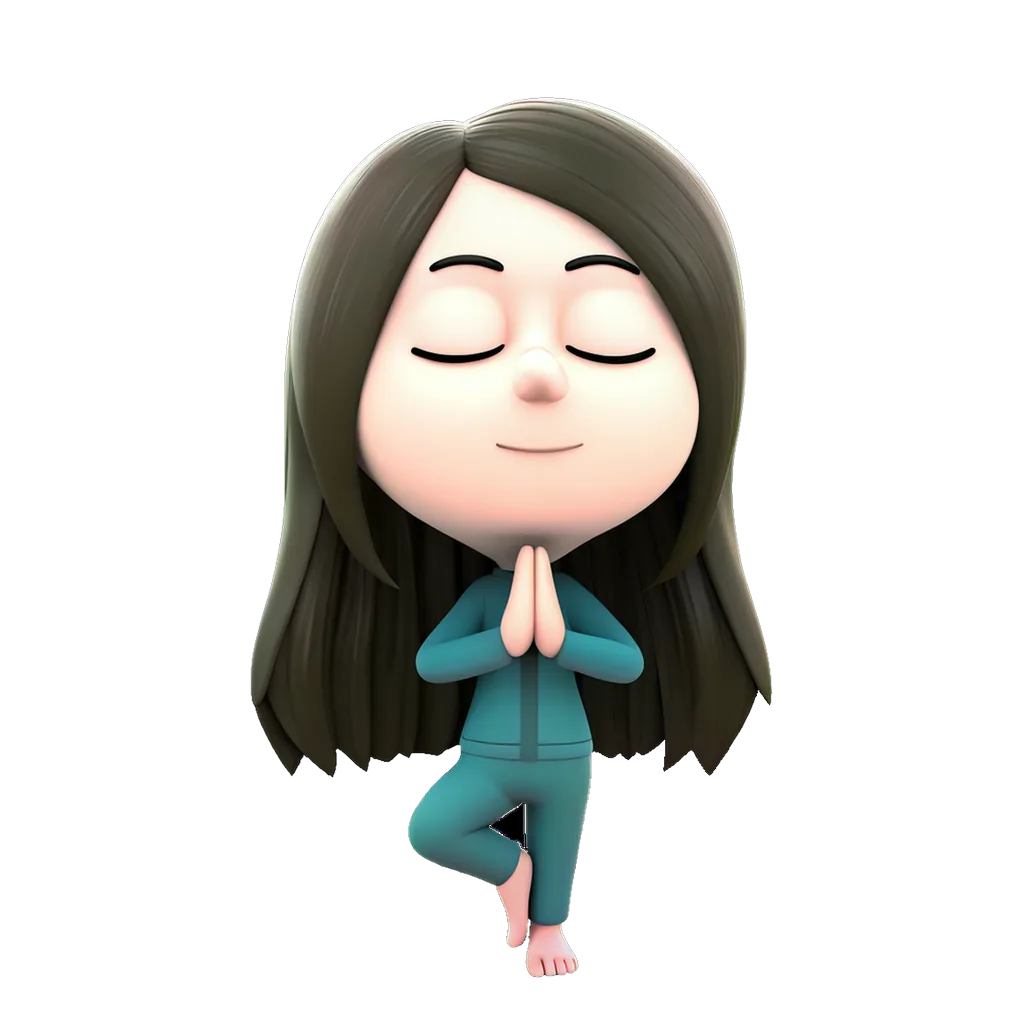
Self-Regulation
Managing your impulses, feelings and habits.
You hold the reins of your own impulses, moods and habits — choosing your response rather than being swept along by it. When feelings run hot or temptation calls, you can pause, breathe and steer yourself back towards what matters. Self-regulation is the quiet discipline that lets you be the author of your behaviour rather than its passenger.
Strengths
- Disciplined
- Steady habits
- Delays gratification
Pitfalls
- Rigid
- Over-controlled
- Never lets loose
In depth
What it looks like
Self-regulation shows up in the small, unglamorous moments: the second helping you set aside, the sharp reply you swallow, the alarm you actually rise to. You manage your emotions, appetites and reactions so they serve your longer goals rather than hijack them. It is less about rigid willpower and more about a calm, practised steadiness — you know your triggers, you have your routines, and you return to your centre when you wander from it.
Too much, too little
Every strength has a golden mean — a balance point between overuse and underuse. Too little self-regulation and you are tugged about by every craving, mood and distraction, leaving promises broken and plans abandoned. Too much, though, can harden into joyless inhibition: you white-knuckle your way through life, deny yourself rest and pleasure, and become so controlled that spontaneity and warmth drain away. The aim is mastery that still leaves room to feel, indulge and let go.
Where it shines
This strength shines wherever a goal demands patience and consistency over time — training a body, mastering a craft, saving for a future, keeping calm when others lose their heads. In a crisis you are the steady hand; in a long project you are the one who shows up on the dull days when motivation has worn thin. People with strong self-regulation tend to keep their commitments, recover quickly from setbacks and build the kind of reliable habits that compound into real achievement.
How to grow it
Build it like a muscle — start small and stack tiny wins. Pick one habit, make it laughably easy, and let the streak itself become the reward. Notice your triggers and design your environment so the right choice is the easy one: keep temptation out of reach and your cues for good behaviour in plain sight. When you slip, treat it as data rather than disgrace, and practise the pause — a few slow breaths between feeling and acting widens the gap where your better judgement lives.
Spotting it in others
You will recognise it in the friend who stays composed when everyone else is rattled, or the colleague whose follow-through never falters. They keep their word to themselves as faithfully as to others, rarely lurching between extremes, and they seem to have a quiet thermostat that keeps their moods and reactions in range. Watch for people who can sit with discomfort without flinching, decline gracefully, and return calmly to task after a setback — that easy poise is self-regulation at work.
You know you’re one when…
- You can pause between an impulse and your response, and choose what comes next.
- You keep promises to yourself, even when no one is watching.
- You stay composed under pressure while others come apart.
- You build habits and routines that carry you through the dull days.
- You return to your centre quickly after a setback or a slip.